
If you are over 65, or you are researching vaccinations on behalf of a parent or older relative, the number of different winter jabs on offer can feel confusing. Flu, COVID-19, pneumococcal disease, and shingles all have their own eligibility rules, timing and frequency, and it is easy to lose track of who needs what and when. Understanding winter vaccines for over 65s properly is one of the most effective things you can do to stay well through the colder months, and it matters just as much if you are helping to look after someone else’s health as it does for your own.
Contact us or book an appointment to check your eligibility and get vaccinated ahead of winter.
Alternatively, read on for a complete guide to winter vaccination for over 65s, who else should be considered, and why travel vaccines matter just as much in the colder months.
Quick Answer
Adults aged 65 and over are generally eligible for an annual flu vaccine and COVID-19 booster each autumn, a one-off pneumococcal vaccine, and a two-dose shingles vaccine from their 60s onwards, with a newer RSV vaccine also offered to a defined older age band. Eligibility, timing and dosing intervals differ between programmes and are reviewed regularly, so it is worth checking your current status rather than assuming last year’s rules still apply. Other groups, including people with long-term conditions, pregnant women, carers and health and social care workers, may also be recommended winter vaccination, and anyone travelling abroad over the colder months should review both routine and travel-specific vaccines before departure.
1. Why Winter Vaccination Matters More As You Get Older
As we age, the immune system naturally becomes less efficient at recognising and responding to new infections, a process sometimes called immunosenescence. This does not mean older adults are constantly unwell, but it does mean that common winter illnesses, which a younger, healthier person might shrug off after a few uncomfortable days, can develop into something more serious for someone over 65. Flu, COVID-19 and respiratory syncytial virus (RSV) are all linked to a higher risk of hospitalisation, pneumonia and complications such as worsening of existing heart or lung conditions in older age groups.
Vaccination does not guarantee you will avoid every winter illness entirely, but the evidence consistently shows it reduces the likelihood of severe disease, hospital admission and, in some cases, death. For conditions like shingles, which is not a winter-specific illness but is still commonly discussed alongside other over 65 vaccinations, protection is less about the season and more about age-related risk, since the chance of shingles and its complications rises significantly from your 60s onwards.
Because eligibility, timing and dosing intervals differ across each of these programmes, and because criteria are reviewed annually by the Joint Committee on Vaccination and Immunisation (JCVI), it is worth checking your current eligibility each year rather than assuming it stays the same as last winter.
2. The Flu Vaccine: Why It Is Offered Every Single Year
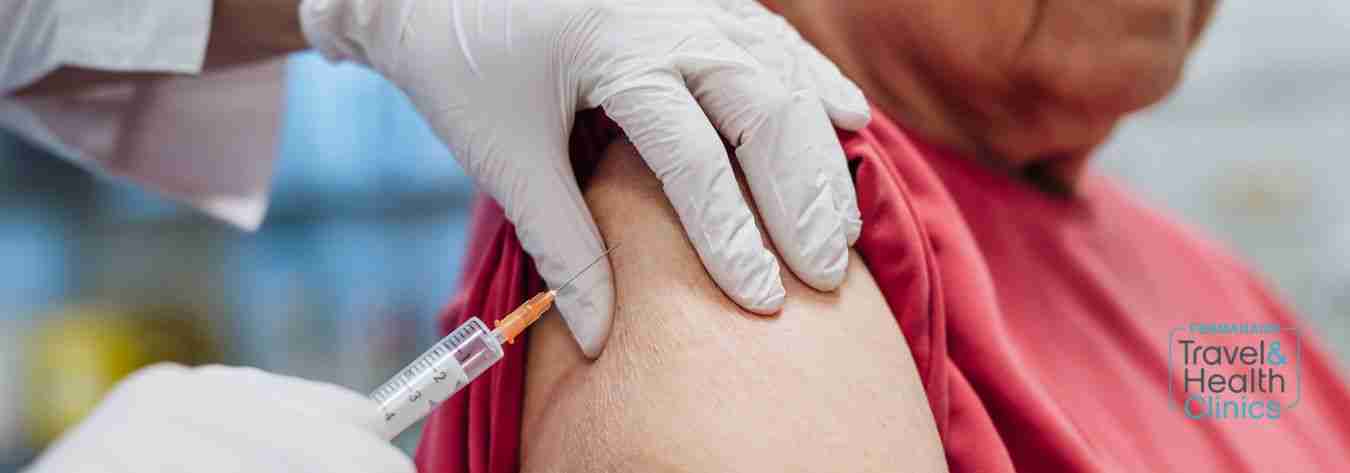
The flu vaccine is perhaps the most familiar of the winter vaccines, but the reason it is offered annually, rather than as a one-off or occasional booster, often gets overlooked. Influenza viruses mutate constantly, meaning the strains circulating each winter are usually different from the previous year. The vaccine formulation is updated annually to match the strains considered most likely to circulate, based on global surveillance data, which is why last year’s flu jab will not necessarily protect you against this year’s dominant strains.
- ⇾ Everyone aged 65 and over is generally eligible for a free NHS flu vaccine each autumn
- ⇾ Protection typically takes around two weeks to build after vaccination
- ⇾ Immunity from the flu vaccine wanes over time, which is part of why annual vaccination is recommended rather than a single lifetime dose
- ⇾ Common side effects include a sore arm, mild tiredness or a slightly raised temperature for a day or two
- ⇾ The injectable flu vaccine used in older adults does not contain live virus and cannot give you flu
Most flu vaccination programmes run from early autumn, typically September or October, through to the end of winter, though vaccination later in the season is still worthwhile if you have not yet had it, particularly as flu activity can continue well into the new year.
3. The COVID-19 Vaccine: Understanding the Current Booster Programme
COVID-19 vaccination has moved from the mass rollout phase of the early pandemic years into a more targeted, seasonal booster programme, broadly aligned with the flu vaccination timeline. For over 65s, this generally means an annual autumn booster, offered around the same time as the flu vaccine, often at the same appointment.
- ⇾ Eligibility for the autumn COVID-19 booster typically includes everyone aged 65 and over, alongside other at-risk groups
- ⇾ Booster formulations are periodically updated to better match circulating variants, similar in principle to the flu vaccine
- ⇾ Most people can have their flu and COVID-19 vaccines on the same day, in different arms, without needing to space them apart
- ⇾ Common side effects mirror those of other injectable vaccines: arm soreness, tiredness and occasionally a short-lived flu-like reaction
- ⇾ Booster eligibility and timing are reviewed each year by the JCVI, so it is worth checking current guidance rather than assuming last year’s rules still apply
If you are unsure whether you are currently eligible for a COVID-19 booster this season, this is exactly the kind of question worth raising at a vaccination consultation, since eligibility criteria have changed several times since the vaccines were first introduced.
4. The Pneumococcal Vaccine: A Different Kind of Protection
Unlike flu and COVID-19, the pneumococcal vaccine is not generally an annual vaccination for most older adults. Pneumococcal bacteria can cause serious infections including pneumonia, meningitis and bloodstream infections, and the risk of these increases with age.
- ⇾ Most adults aged 65 and over are offered a single dose of the pneumococcal polysaccharide vaccine (PPV), rather than an annual jab
- ⇾ For the majority of healthy older adults, one dose is generally considered to provide ongoing protection, without a routine need for repeat doses
- ⇾ Those with certain long-term health conditions or a weakened immune system may be advised to have additional or repeat doses, assessed individually
- ⇾ The vaccine protects against many, though not all, strains of pneumococcal bacteria
- ⇾ Side effects are usually mild and limited to soreness at the injection site
Because this is typically a one-off vaccine rather than a seasonal one, many people are uncertain whether they have already had it, particularly if it was offered some years ago. If you are not sure, this is worth checking with your GP practice or discussing at your next vaccination appointment.
5. The Shingles Vaccine: Protecting Against a Painful, Common Condition
Shingles is caused by reactivation of the varicella-zoster virus, the same virus responsible for chickenpox, which can lie dormant in the nervous system for decades before reactivating later in life. It typically causes a painful, blistering rash, and in some cases leads to a longer-lasting complication called post-herpetic neuralgia, where pain persists in the affected area long after the rash has healed.
- ⇾ The shingles vaccination programme in the UK has expanded in recent years, with eligibility generally including people from their 60s onwards, alongside those who are severely immunosuppressed from a younger age
- ⇾ The newer recombinant shingles vaccine is typically given as a course of two doses, spaced several months apart, rather than a single injection
- ⇾ It is generally considered a longer-lasting protection than a seasonal vaccine, though this is different from a single lifetime guarantee and ongoing guidance should be checked
- ⇾ Common side effects can include a more noticeable local reaction and short-lived flu-like symptoms after each dose, which tends to be more pronounced than with flu or pneumococcal vaccination
- ⇾ Because eligibility bands have changed more than once as the programme has expanded, it is worth checking your specific eligibility rather than assuming an age cut-off from a previous year still applies
6. RSV Vaccination: A Newer Addition for Older Adults
Respiratory syncytial virus (RSV) is a common winter respiratory virus, well known for causing serious illness in infants, but also increasingly recognised as a significant cause of pneumonia and hospitalisation in older adults. An RSV vaccination programme for older adults is a relatively recent addition to the UK immunisation schedule compared with flu and pneumococcal vaccination.
- ⇾ Eligibility has generally focused on a defined older age band, alongside a catch-up cohort for those who turned eligible after the programme began
- ⇾ It is typically offered as a single dose, rather than an annual vaccination
- ⇾ RSV vaccination can usually be given at a separate appointment or alongside other vaccines, depending on local guidance at the time
- ⇾ As with any newer programme, eligibility criteria and age bands are more likely to be reviewed and adjusted, so current guidance should always be checked
Winter Vaccines for Over 65s at a Glance
The table below summarises typical eligibility and frequency for each vaccine discussed above. Because criteria are reviewed annually and can change, use this as a starting point for discussion rather than a final confirmation of your personal eligibility.
| Vaccine | Typical Eligibility | Frequency |
|---|---|---|
| Flu vaccine | Adults aged 65 and over, plus other at-risk groups | Annual, every autumn |
| COVID-19 booster | Adults aged 65 and over, plus other at-risk groups | Annual, typically alongside the flu vaccine |
| Pneumococcal (PPV) | Adults aged 65 and over | Usually a single dose; repeat doses only for specific higher risk groups |
| Shingles vaccine | Adults from their 60s onwards, and some younger immunosuppressed adults | Two doses, several months apart, considered longer-lasting protection |
| RSV vaccine | A defined older age band, plus a catch-up cohort | Single dose |
7. It Is Not Just About Age: Who Else Should Consider Winter Vaccination
While age is the main eligibility factor for several winter vaccines, it is far from the only one. Many people who are not yet 65, or who are much younger, fall into groups where winter vaccination is specifically recommended, and it is worth understanding these categories if you are researching vaccination for your whole family rather than just an older relative.
- ⇾ People with long-term health conditions: including asthma, chronic obstructive pulmonary disease (COPD), heart disease, diabetes, chronic kidney disease and certain neurological conditions, where flu or COVID-19 infection carries a higher risk of complications
- ⇾ People with a weakened immune system: whether due to a medical condition, chemotherapy or certain medications, who may be more susceptible to serious infection and may be offered vaccines earlier or in different formulations than the general population
- ⇾ Pregnant women: the flu vaccine is recommended at any stage of pregnancy, since pregnancy itself increases the risk of complications from flu, and a whooping cough (pertussis) vaccine is separately recommended during each pregnancy to help protect the newborn baby in its first weeks of life
- ⇾ Young children: flu vaccination is offered to many children through school programmes or GP practices, both to protect them directly and to reduce transmission within families and communities
- ⇾ Household contacts and carers of vulnerable people: living with or regularly caring for someone at higher risk is itself a reason to consider vaccination, since reducing your own risk of infection also reduces the risk of passing illness on to someone more vulnerable
- ⇾ Health and social care workers: including care home staff and NHS workers, who are often specifically encouraged or offered vaccination due to regular contact with vulnerable patients and residents
- ⇾ Care home residents: regardless of age, due to close communal living conditions that can allow winter illnesses to spread quickly
- ⇾ Travellers: both because travel itself can expose you to illnesses circulating in other regions, and because long journeys, airports and shared accommodation can increase exposure to respiratory viruses generally
If you are supporting an older relative and wondering whether you, as a carer or family member, should also be vaccinated, the answer is very often yes, both for your own protection and theirs. This is a conversation worth having as a family rather than assuming vaccination is only relevant to the oldest person in the household.

8. Why Winter and Travel Vaccines Go Hand in Hand for Those Heading Abroad
Winter is a popular time for travel, whether that is visiting family overseas, taking a cruise, escaping to a warmer climate, or heading off on a long-planned trip once the colder months set in at home. For older travellers in particular, and for anyone travelling with older relatives, thinking about vaccination should not stop at the flu jab and COVID-19 booster. Travel brings its own specific health considerations, on top of the routine winter vaccines already discussed.
Firstly, flu itself is not confined to the UK winter. If you are travelling to the southern hemisphere, countries such as Australia, New Zealand, South Africa or Argentina experience their own flu season broadly opposite to ours, roughly April to September, meaning travellers can encounter flu activity even when it is summer at home. Cruise ships and long-haul flights, with close proximity to large numbers of people from different regions, are also well recognised settings for the spread of respiratory illness, regardless of the time of year.
Secondly, many winter getaway destinations still carry their own specific travel health requirements or recommendations, entirely separate from flu and COVID-19. Depending on where you are headed, your travel health consultation might cover:
- ⇾ Hepatitis A, commonly relevant for winter sun destinations in parts of Asia, Africa and Central or South America, depending on food and water hygiene standards
- ⇾ Yellow fever, if your winter trip includes parts of sub-Saharan Africa or South America, where entry requirements can apply regardless of season
- ⇾ Malaria prevention, since malaria risk in many popular winter destinations does not disappear simply because it is winter in the UK
- ⇾ Altitude related advice, relevant if your winter trip includes mountainous regions or high-altitude cities, where the cold season can bring additional challenges such as icy conditions on top of altitude risk
- ⇾ General pre-travel health review, particularly important for older travellers or those with long-term health conditions, where a longer flight, altered routine, or unfamiliar climate can interact with existing health issues
For older travellers specifically, a pre-trip consultation is a good opportunity to review not just travel-specific vaccines, but whether routine winter vaccines are up to date before departure. Being vaccinated against flu and COVID-19 before you travel, rather than waiting until you return, offers protection throughout your trip, including during the journey itself, when exposure to other travellers is often at its highest.
Finally, if you are travelling with an older relative, or you are the older traveller yourself, it is worth building in enough time before departure for any recommended vaccines to take effect, and for courses requiring more than one dose, such as certain travel vaccines, to be completed. Leaving this until the last week before travel can mean missing out on full protection, or in some cases, being unable to complete a course in time at all.
Frequently Asked Questions About Winter Vaccines for Over 65s
Can I have the flu, COVID-19, pneumococcal and shingles vaccines all at the same time?
Flu and COVID-19 vaccines can generally be given at the same appointment, often in different arms. Whether other vaccines can be co-administered on the same day depends on current clinical guidance and your individual health, so this is best confirmed at your appointment rather than assumed in advance.
I am not sure if I have already had the pneumococcal or shingles vaccine. What should I do?
Check your vaccination history with your GP practice records where possible. If you are unsure and records are not readily available, discuss this at your next vaccination appointment so your clinician can help establish the most appropriate next step.
Do I still need the flu vaccine if I rarely get ill?
Yes, vaccination is still recommended regardless of your recent health history, since it protects against future risk rather than reflecting how often you have been unwell in the past. Age-related immune changes mean risk can increase even if you have generally stayed well.
Should my adult children or grandchildren also be vaccinated if I am over 65?
This depends on their own individual circumstances, but household contact with someone at higher risk is a recognised reason to consider flu vaccination, and reducing transmission within a family can help protect the most vulnerable member of that household.
If I am travelling abroad this winter, do I need to arrange my vaccines differently to normal?
It is worth having a dedicated travel health consultation, ideally four to six weeks before departure, so that routine winter vaccines and any destination-specific travel vaccines can be reviewed and, where needed, courses completed in good time before you travel.
Book Your Winter Vaccinations Today
Whether you are over 65 yourself, supporting a relative through their winter vaccinations, or planning travel over the colder months, understanding winter vaccines for over 65s and the wider picture around them helps you make informed decisions rather than leaving protection to chance.