
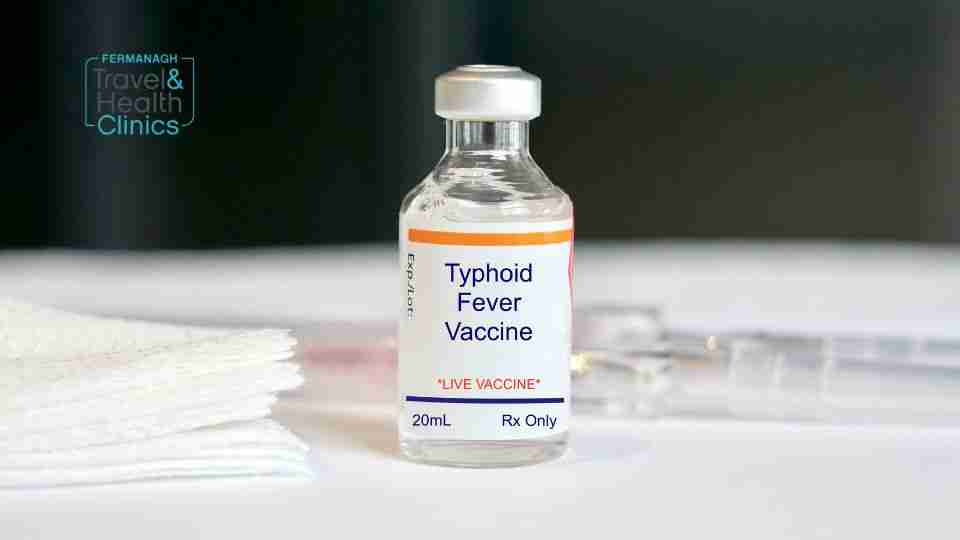
Typhoid fever is one of those illnesses that most UK travellers have heard of but few know much about. It is spread through contaminated food and water, it can make you seriously unwell, and it is far more common in some parts of the world than others. A typhoid fever shot is one of the most frequently recommended travel vaccines, particularly for trips to South Asia, parts of Africa and other regions where sanitation can be limited. Knowing who needs it, which type to choose and when to have it makes planning far easier.
Contact us or book a travel health consultation to find out whether a typhoid fever shot is right for your trip.
Alternatively, read on for a complete guide to the risks, the vaccine options, the timing and what else you can do to stay well.
Quick Answer
A typhoid fever shot is usually recommended for travellers to parts of Asia, Africa, the Middle East and Central and South America, especially for longer stays, rural travel or visits to friends and relatives. It can be given as a single injection or as a short course of oral capsules, and a combined hepatitis A and typhoid injection is also available. Protection takes time to build, so it is best to be vaccinated at least two weeks before you travel. The vaccine is not 100 per cent effective and does not cover paratyphoid, so careful food and water hygiene still matters.
1. What Is Typhoid Fever and How Does It Spread?
Typhoid fever is a bacterial infection caused by Salmonella Typhi. It spreads through the faecal-oral route, which means the bacteria pass from the faeces or urine of an infected person, or someone who carries the bacteria without symptoms, into food or water that another person then consumes. The NHS typhoid fever overview explains the infection and its symptoms in more detail.
- ⇾ Contaminated water: Drinking untreated water, or using it to brush teeth, wash food or make ice, is a common route
- ⇾ Contaminated food: Food handled by someone who is infected, or washed in unsafe water, can carry the bacteria
- ⇾ Raw or undercooked foods: Salads, unpeeled fruit, shellfish and street food that has been sitting out are higher risk in some destinations
- ⇾ Poor sanitation: Areas where sewage can reach water supplies have a higher risk of outbreaks
- ⇾ Close contact: Poor hand hygiene after using the toilet can spread the bacteria in households and shared accommodation
Paratyphoid fever is a similar illness caused by related bacteria. The typhoid vaccines do not protect against paratyphoid, which is another reason that safe food and water habits remain important even after vaccination.
2. Symptoms and Why Typhoid Matters
Symptoms usually appear one to three weeks after infection, although this varies. They tend to build gradually rather than appearing suddenly, which can make early typhoid easy to mistake for flu or a stomach bug.
- ⇾ A fever that rises over several days and can become high and persistent
- ⇾ Headache, tiredness and general weakness
- ⇾ Stomach pain, with either constipation or diarrhoea
- ⇾ Loss of appetite and sometimes a dry cough
- ⇾ In some people, a faint rash of small pink spots on the chest or abdomen
Typhoid is treated with antibiotics, and most people who are treated promptly recover. Without treatment it can cause serious complications, including bleeding or perforation of the bowel. Antibiotic resistance is also a growing concern in some regions, which can make treatment harder, and this strengthens the case for preventing infection in the first place.
3. Who Should Consider a Typhoid Fever Shot?
Whether you need vaccination depends on where you are going, how long you will stay and what you will be doing. Current country-by-country information is published by TravelHealthPro, and a clinician will apply it to your itinerary. The following situations are commonly discussed.
- ⇾ Travellers to South Asia: Countries such as India, Pakistan, Bangladesh and Nepal are widely regarded as higher risk, and the vaccine is routinely advised
- ⇾ Travellers to parts of Africa, Southeast Asia, the Middle East and Central and South America: Risk varies by country and region, so the advice depends on your route
- ⇾ Visitors to friends and relatives: People staying in family homes and eating home-prepared or local food often have a higher exposure than hotel-based tourists
- ⇾ Long stays and working abroad: Longer time in affected areas means more opportunities for exposure
- ⇾ Rural, adventure and backpacking trips: Away from established tourist facilities, access to safe food and water can be less certain
- ⇾ Aid workers and healthcare volunteers: Often work in settings with higher exposure risk
- ⇾ Children: Suitable options depend on age, so see our guide to children’s travel vaccines
- ⇾ People with reduced stomach acid: Including some people who take long-term acid-reducing medicines, who may be more susceptible to some gut infections. Mention this at your consultation

Typhoid Risk by Region at a Glance
This table is a general guide only. Risk varies within countries and changes over time, so always confirm the current position for your own itinerary.
| Region | General Level of Typhoid Risk | Typical Advice |
|---|---|---|
| South Asia | Higher | Vaccination widely recommended, plus strict food and water care |
| Parts of sub-Saharan Africa | Variable, often moderate to higher | Vaccination commonly recommended, especially for longer or rural stays |
| Southeast Asia | Variable by country | Assessed according to route and activities |
| Middle East and North Africa | Variable | Assessed individually |
| Central and South America | Variable, often lower in tourist areas | Considered for rural, long-stay or adventure travel |
| Europe, North America and Australasia | Generally low | Usually not required for typical travel |
4. Typhoid Vaccine Options: Injection, Capsules or Combined
There is more than one way to be protected against typhoid. The right choice depends on your age, your health, any medicines you take and how much time you have before you travel. The UKHSA Green Book typhoid chapter is the detailed clinical reference.
| Option | How It Is Given | Usually Suitable For | Good to Know |
|---|---|---|---|
| Injectable typhoid vaccine | A single injection into the upper arm | Adults and children from around two years of age | Not a live vaccine, so it is suitable for many people with weakened immunity. Boosters are usually needed after about three years if risk continues |
| Oral typhoid capsules | A course of capsules taken on alternate days | Adults and older children, depending on the product licence | A live vaccine, so it is not suitable for everyone. Must be taken exactly as directed and stored correctly |
| Combined hepatitis A and typhoid | A single injection | Adults and older teenagers, depending on the product licence | Convenient if you need both. The hepatitis A part usually needs a later booster for long-term protection |
The UK Ty21a course comprises three capsules on days 0, 2 and 4, with protection beginning around 7–10 days after the third dose. This is important when considering protection and timing. Read more on the UKHSA typhoid guidance page.
Exact ages, doses and booster intervals depend on the product, so your clinician will confirm what applies to you. None of these options gives complete protection, which is why they work best alongside careful hygiene.
5. What to Know About the Injection
- ⇾ It is given as one dose, which makes it a popular choice when time is short, and it may still be worth having if you leave soon. See our advice on last-minute travel vaccinations
- ⇾ Protection takes around two weeks to develop, so aim to have it at least two weeks before you travel
- ⇾ Protection is generally expected to last for about three years, after which a booster can be given if you are still at risk
- ⇾ Common side effects include a sore, red or swollen arm, headache, tiredness and a mild temperature for a day or two
- ⇾ Because it is not a live vaccine, it is often suitable for people whose immune systems are weakened, although the response may be lower. Always tell your clinician about your health and medicines
- ⇾ It can be given in pregnancy where the benefits outweigh the risks, but this needs an individual discussion
6. What to Know About the Oral Capsules
The oral vaccine contains weakened live bacteria and has stricter instructions than the injection. It can suit people who dislike needles, but it needs more care to use correctly.
- ⇾ The capsules are taken on alternate days, and the full course must be completed before travel
- ⇾ They are usually swallowed whole with a cool or lukewarm drink on an empty stomach, around an hour before a meal, and kept in the fridge until used
- ⇾ Some antibiotics and some malaria tablets can reduce how well the live vaccine works, so timing needs to be planned. Tell us about all your medicines, including malaria prevention
- ⇾ It is not suitable if you are pregnant, have a weakened immune system or have a stomach upset with vomiting or diarrhoea at the time
- ⇾ Side effects can include stomach discomfort, nausea, diarrhoea and headache
- ⇾ Booster timing depends on the product and on whether you live in or travel from a low-risk country, so check this when you book
7. Combining Typhoid with Other Travel Vaccines
Many trips that carry a typhoid risk also carry a risk of other illnesses spread through food and water. Planning everything at once saves appointments and avoids last-minute rushes.
- ⇾ Hepatitis A: Spread through contaminated food and water in the same way. See our hepatitis A vaccine page and our guide to the hepatitis A and B vaccine
- ⇾ Hepatitis B: Relevant for longer stays or where you may need medical treatment. Read about shots for hepatitis B
- ⇾ Cholera: Considered in some higher risk situations. See our cholera vaccine page and our article on how cholera is spread
- ⇾ Yellow fever, rabies and Japanese encephalitis: Depending on your route, see our pages on the yellow fever vaccine, rabies vaccine and Japanese encephalitis vaccine
Our travel first aid kit and fit for travel pages cover the rest of your preparation. For an overview of everything your trip may need, visit our travel vaccine clinic or travel vaccines near you pages.

8. Food and Water Safety: Vaccine Is Not the Whole Answer
A typhoid fever shot lowers your risk but does not remove it, and it does nothing against many other causes of traveller’s diarrhoea. The old rule still applies: boil it, cook it, peel it or leave it.
- ⇾ Drink bottled water with an intact seal, or water that has been boiled or properly treated, and avoid ice of unknown origin
- ⇾ Choose food that is freshly cooked and served piping hot, and avoid food that has been standing at room temperature
- ⇾ Peel fruit yourself and be cautious with salads and raw vegetables washed in local water
- ⇾ Clean your teeth with safe water
- ⇾ Wash your hands with soap and water before eating and after using the toilet, and carry hand sanitiser as a back-up
- ⇾ Be cautious with unpasteurised dairy products and raw shellfish
9. If You Become Unwell After Travelling
Typhoid symptoms can appear after you have returned home. If you develop a fever, particularly one that persists or rises over several days, with headache, stomach pain or unexplained tiredness within weeks of returning from a higher risk country, contact your GP or NHS 111 and tell them where you have travelled. Do not wait to see whether it passes. Seek urgent help by calling 999 or attending A&E if you have severe stomach pain, blood in your stool, confusion or are very drowsy. Malaria is also a possible cause of fever after travel to some regions, so a fever after a trip should always be mentioned promptly.
Frequently Asked Questions About the Typhoid Fever Shot
Can I still catch typhoid if I have been vaccinated?
Yes, it is possible. The vaccines reduce the risk but are not completely effective, and they do not protect against paratyphoid. This is why food and water precautions remain important, and why you should seek medical advice if you develop a persistent fever after travelling, even if you were vaccinated.
Is the injection or the capsule better?
Neither is better for everyone. The injection is a single dose and suits most people, including those with weakened immunity. The capsules suit some people who prefer to avoid needles but have stricter instructions and more restrictions. Your clinician will help you choose after reviewing your health, your medicines and your travel dates.
I travel to the same country every year. Do I need the vaccine every time?
Not every time. Protection from the vaccine lasts for a period of years, so repeat travellers usually need a booster at set intervals rather than before each trip. Keep a record of your vaccination dates and bring it to each appointment so your clinician can check when you are next due.
Do I need a typhoid vaccine for an all-inclusive resort holiday?
It depends on the destination and what you plan to do. Resort stays in lower-risk areas may not need it, but risk can rise if you go on excursions, eat at local street stalls or visit rural areas. Describe your full plans so the advice reflects what you will really be doing.
Get Protected Before You Travel
A typhoid fever shot is a simple, well-established way to lower your risk of a serious illness, particularly if you are heading to South Asia or other higher risk regions. With a choice of injection, capsules or a combined vaccine, there is usually an option that suits your health and your timetable. The sooner you plan, the more choice you have, so there is no need to leave it to the last minute.
