
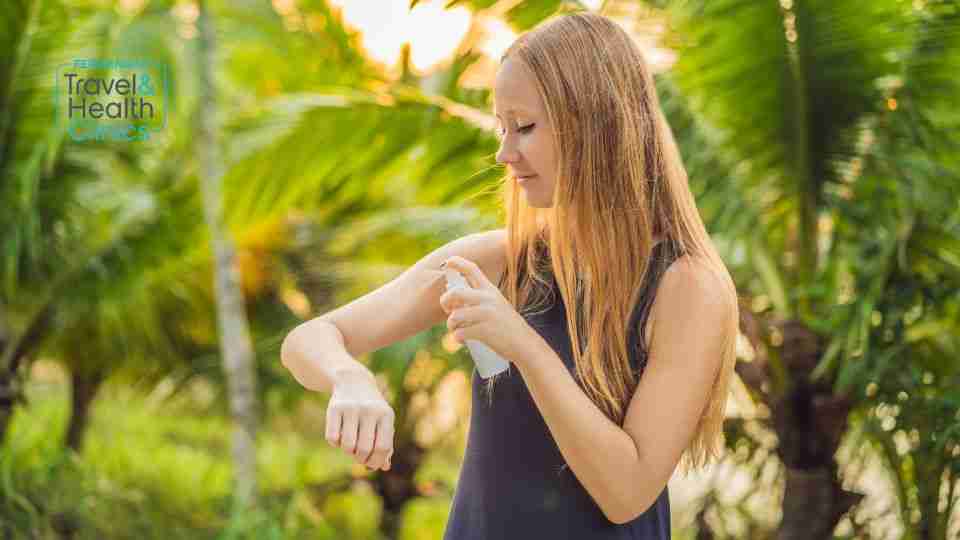
Packing the wrong repellent, or skipping a destination-specific vaccine you did not realise you needed, can turn a dream holiday into a genuinely dangerous situation. Insect-borne diseases such as malaria, yellow fever, Japanese encephalitis and dengue are not evenly spread around the world, and neither is the protection you need against them. Choosing the right mosquito repellent for your destination, alongside the correct vaccinations, starts with understanding exactly where you are going and what is actually circulating there.
Contact us or book a travel health consultation for advice tailored to your itinerary.
Alternatively, read on to understand how to choose the right repellent and vaccines for your next trip.
Quick Answer
There is no single best repellent or vaccine for every trip. DEET remains the gold standard active ingredient for most destinations, with picaridin and IR3535 as effective alternatives, and permethrin used to treat clothing and nets rather than skin. Which insect-borne diseases you need to plan for, and which vaccines or preventative tablets are available, depends entirely on your destination, so a travel health consultation is the only reliable way to match protection to risk before you go.
1. Why Insect-Borne Disease Risk Changes So Much by Destination
Mosquitoes and other biting insects are not all the same, and neither are the diseases they carry. Different species thrive in different climates, altitudes and seasons, which means the risks facing a traveller heading to rural sub-Saharan Africa look very different to someone visiting coastal Southeast Asia, or hiking through forested parts of Central Europe.
Some of the main insect-borne illnesses UK travellers should be aware of include malaria, yellow fever, dengue, Japanese encephalitis, tick-borne encephalitis, chikungunya and Zika. Each has its own geographical distribution, seasonal pattern, and, crucially, its own approach to prevention, ranging from prescription tablets and vaccines to repellent and bite avoidance alone. This is why a generic packing list found online is never a substitute for checking what applies specifically to where you are going.
2. Choosing the Right Repellent: Active Ingredients Explained
Not all repellents are created equal, and the active ingredient matters far more than the brand or the price. A few well-studied ingredients form the backbone of effective insect bite prevention for travellers.
- ⇾ DEET: The most extensively studied and widely recommended repellent ingredient, generally effective against mosquitoes, ticks and other biting insects. Higher concentrations tend to last longer rather than work more strongly, so a moderate to higher concentration reapplied as directed is usually more useful than assuming more is always better
- ⇾ Picaridin (also called icaridin): A widely used alternative to DEET, generally considered similarly effective, with a less noticeable smell and feel on the skin, making it a popular choice for those who dislike DEET-based products
- ⇾ IR3535: Another recognised alternative, sometimes preferred for use on children or in combination products, though effectiveness and duration can vary between formulations
- ⇾ Permethrin: Not applied to skin, but used to treat clothing, bed nets and gear. It remains effective through several washes and provides an additional layer of protection alongside a skin-applied repellent
- ⇾ Natural or plant-based repellents: Generally offer shorter-lasting protection than DEET, picaridin or IR3535, and are not usually recommended as the sole protection in higher risk malaria or yellow fever destinations
Concentration and formulation both affect how long a repellent lasts before reapplication is needed, so checking product guidance rather than assuming all repellents last the same length of time is worthwhile, particularly on long travel days or overnight stays without air conditioning or screened accommodation.

3. Matching Repellent to Your Destination and Activity
The right mosquito repellent for your destination also depends on what you will actually be doing there. A city break with air-conditioned accommodation carries different exposure than camping, trekking or visiting rural family members in a malaria risk area.
- ⇾ Higher risk malaria or yellow fever destinations: A DEET-based repellent at an effective concentration, reapplied regularly, combined with permethrin-treated clothing and nets where accommodation is not fully screened
- ⇾ Dengue and Zika risk areas, often urban and daytime-biting: Repellent applied throughout the day, not just at dusk, since the mosquitoes responsible for these illnesses commonly bite during daylight hours, unlike the malaria-carrying mosquitoes that are more active between dusk and dawn
- ⇾ Rural or forested destinations with tick-borne encephalitis risk: Repellent alongside covering exposed skin, tucking trousers into socks, and checking for ticks after outdoor activity
- ⇾ Hot, humid climates with heavy sweating or swimming: More frequent reapplication is needed, since sweat and water can reduce how long a repellent remains effective
- ⇾ Trips involving young children or pregnant travellers: Product suitability varies by age and by ingredient, so checking specific product guidance, or discussing this at a travel consultation, is particularly important
4. Vaccines and Prevention for Common Insect-Borne Illnesses
Repellent is only one half of the equation. For several insect-borne diseases, a vaccine or preventative medication is available and recommended for travellers heading to specific destinations, and this is where a proper pre-travel consultation becomes essential rather than optional.
- ⇾ Malaria: No vaccine is routinely used for UK travellers; prevention relies on prescription antimalarial tablets matched to your destination’s resistance patterns, alongside strict bite avoidance. Read our detailed guide to malaria tablets for more information
- ⇾ Yellow fever: A single vaccine dose, given only at a registered Yellow Fever Vaccination Centre, provides long-term protection and may be a legal entry requirement for certain countries, particularly in sub-Saharan Africa and South America
- ⇾ Japanese encephalitis: A vaccine is available and generally recommended for travellers spending extended time in rural parts of Asia during transmission season, particularly those involved in outdoor activities, agricultural areas or longer stays, though it is not required for short city-based trips to most destinations
- ⇾ Tick-borne encephalitis: A vaccine exists and may be recommended for those planning extended outdoor or forested activity in parts of Central and Eastern Europe and parts of Asia during peak tick season, alongside strict tick bite avoidance
- ⇾ Dengue: Vaccination availability and eligibility criteria are more limited than for the diseases above and depend on prior dengue exposure in many cases, so this is assessed individually rather than offered broadly to all travellers
- ⇾ Zika and chikungunya: No widely available vaccine currently exists for UK travellers for either illness, meaning repellent and bite avoidance remain the primary form of protection
Because eligibility, availability and recommendations for these vaccines depend heavily on current destination-specific risk data, always confirm what applies to your exact itinerary at a consultation rather than relying on a previous trip to a similar-sounding destination.
In the meantime, see which vaccines you could need for your next vacation destination:
Destination Risk and Prevention at a Glance
The table below gives a general overview of common insect-borne illness risk by region and the type of prevention typically considered. Always confirm current, destination-specific advice at your consultation, since risk varies within countries as well as between them.
| Region | Key Insect-Borne Risks | Typical Prevention Approach |
|---|---|---|
| Sub-Saharan Africa | Malaria, yellow fever | Antimalarial tablets, yellow fever vaccine, strong repellent use |
| South and Central America | Malaria (regional), yellow fever, dengue, Zika, chikungunya | Antimalarial tablets where relevant, yellow fever vaccine where required, repellent throughout the day |
| South and Southeast Asia | Malaria (regional), dengue, Japanese encephalitis | Antimalarial tablets where relevant, Japanese encephalitis vaccine for extended rural stays, daytime and evening repellent use |
| Central and Eastern Europe | Tick-borne encephalitis | Tick-borne encephalitis vaccine for higher exposure trips, repellent and clothing cover, tick checks |
| Caribbean and coastal winter sun destinations | Dengue, Zika, chikungunya (regional) | Repellent used throughout the day, bite avoidance; vaccine availability assessed individually |
5. Building a Complete Bite Avoidance Routine
Even the best mosquito repellent for your destination works best as part of a wider routine, rather than as a single product applied once and forgotten.
- ⇾ Apply repellent to all exposed skin, and reapply according to the product’s guidance, particularly after swimming, sweating or towelling off
- ⇾ Wear long sleeves and trousers where practical, especially during peak biting times for your destination
- ⇾ Treat clothing and gear with permethrin ahead of higher risk trips, particularly for camping, trekking or rural stays
- ⇾ Sleep under a permethrin-treated net if accommodation is not fully screened or air-conditioned
- ⇾ Apply sunscreen first and repellent second, leaving a short gap between products where possible, since layering order can affect how well each product performs
- ⇾ Check accommodation for standing water, gaps in screening, or other obvious mosquito entry points on arrival
- ⇾ Pack enough repellent for your entire trip, or confirm suitable products are available locally, since availability and formulation can vary significantly between countries
6. Planning Ahead: Why Timing Matters as Much as Packing
Many travellers focus on what to pack the week before departure, but several destination-specific vaccines need to be given well in advance to be effective, and some require more than one dose spaced over several weeks.
- ⇾ Yellow fever vaccination only becomes valid ten days after it is given, so last-minute vaccination can leave you without valid proof on arrival
- ⇾ Japanese encephalitis and tick-borne encephalitis vaccines may involve more than one dose over a period of weeks, so leaving this until shortly before travel can mean an incomplete course
- ⇾ Antimalarial tablets often need to be started several days, or in the case of mefloquine, several weeks, before you enter a risk area
- ⇾ Booking a consultation four to six weeks before departure gives enough time to complete any multi-dose courses and to source the right repellent and bite avoidance products for your specific trip
Combining your vaccine and antimalarial planning with repellent selection at the same appointment means nothing gets left to the last minute, and you leave with a complete picture of what your specific trip requires.
7. Special Considerations for Children and Pregnant Travellers
Repellent and vaccine choices are not always the same for children and pregnant travellers as they are for other adults, and this is an area where generic advice found online can be particularly unhelpful.
- ⇾ Repellent for children: Product suitability often depends on age, with some concentrations or ingredients not recommended for very young children. Always check product packaging or ask a pharmacist, since guidance can differ between DEET, picaridin and IR3535 formulations
- ⇾ Repellent for pregnant travellers: DEET is generally considered acceptable for use during pregnancy at recommended concentrations, but this should still be confirmed individually, particularly alongside any other medications being taken
- ⇾ Vaccines during pregnancy: The yellow fever vaccine, being a live vaccine, is generally avoided during pregnancy unless travel to a high risk area is unavoidable, in which case an individual risk assessment is essential. Non-live vaccines are more often considered acceptable, but always require individual discussion
- ⇾ Antimalarial tablets in pregnancy: Not all antimalarial options are suitable during pregnancy, and travel to malaria risk areas is generally best avoided where possible during pregnancy, with any necessary travel discussed in detail with a clinician
- ⇾ Breastfeeding: Similarly requires individual assessment, since suitability of both repellents and medications can differ from general adult guidance
- ⇾ Bite avoidance beyond repellent: For children and pregnant travellers in particular, physical measures such as covering skin, using treated nets, and choosing accommodation with good screening take on extra importance, since they reduce reliance on repellent and medication alone
If you are travelling with children, or are pregnant or breastfeeding, raising this clearly at your consultation allows your clinician to tailor both repellent and vaccine advice appropriately, rather than defaulting to standard adult recommendations that may not apply.
Frequently Asked Questions About Repellents and Destination Vaccines
Can I use a DEET-based repellent and a permethrin-treated garment at the same time?
Yes, and this combination is generally recommended for higher risk trips rather than relying on one method alone. Permethrin is applied to fabric, not skin, so it works alongside, rather than instead of, a skin-applied repellent, giving two separate layers of protection.
Does a higher DEET percentage mean better protection?
Not exactly. Higher concentrations generally extend how long the repellent remains effective before reapplication is needed, rather than making the repellent work more powerfully against insects. Choosing a concentration based on how long you will be outdoors between reapplications is more useful than simply choosing the highest number available.
I am only visiting one city for a few days. Do I still need destination-specific vaccines?
Not always. Several vaccines, such as Japanese encephalitis, are generally aimed at longer stays or rural activity rather than short city breaks. However, this depends entirely on the specific country and region, so it is worth confirming rather than assuming a short trip automatically means no additional vaccines are needed.
Why do some destinations need daytime repellent use rather than just evenings?
Different mosquito species have different biting patterns. The mosquitoes that spread dengue and Zika tend to bite during the day, particularly early morning and late afternoon, while malaria-carrying mosquitoes are typically more active between dusk and dawn. Your destination determines which pattern applies, and therefore when repellent matters most.
Can I buy everything I need for insect protection without a consultation?
Repellent and permethrin spray can be bought without a prescription, but antimalarial tablets and several destination-specific vaccines are only available following a proper risk assessment. Relying on repellent alone in a malaria or yellow fever risk destination leaves a significant gap in your protection.
If I am visiting several countries on one trip, does that change my repellent or vaccine needs?
Yes, often significantly. Risk can vary considerably as you cross borders, even within the same region, and a vaccine or antimalarial tablet suitable for one leg of your trip may not be necessary, or may not be sufficient, for another. A detailed itinerary, including any overland travel between countries, helps your clinician plan protection that covers your entire trip rather than just your main destination.
Plan Your Protection Before You Pack
Choosing the right mosquito repellent for your destination, alongside any vaccines or antimalarial tablets your trip requires, is not something to leave until the airport shop the night before you fly. A short consultation that reviews your exact itinerary gives you a complete, personalised protection plan rather than a generic checklist.